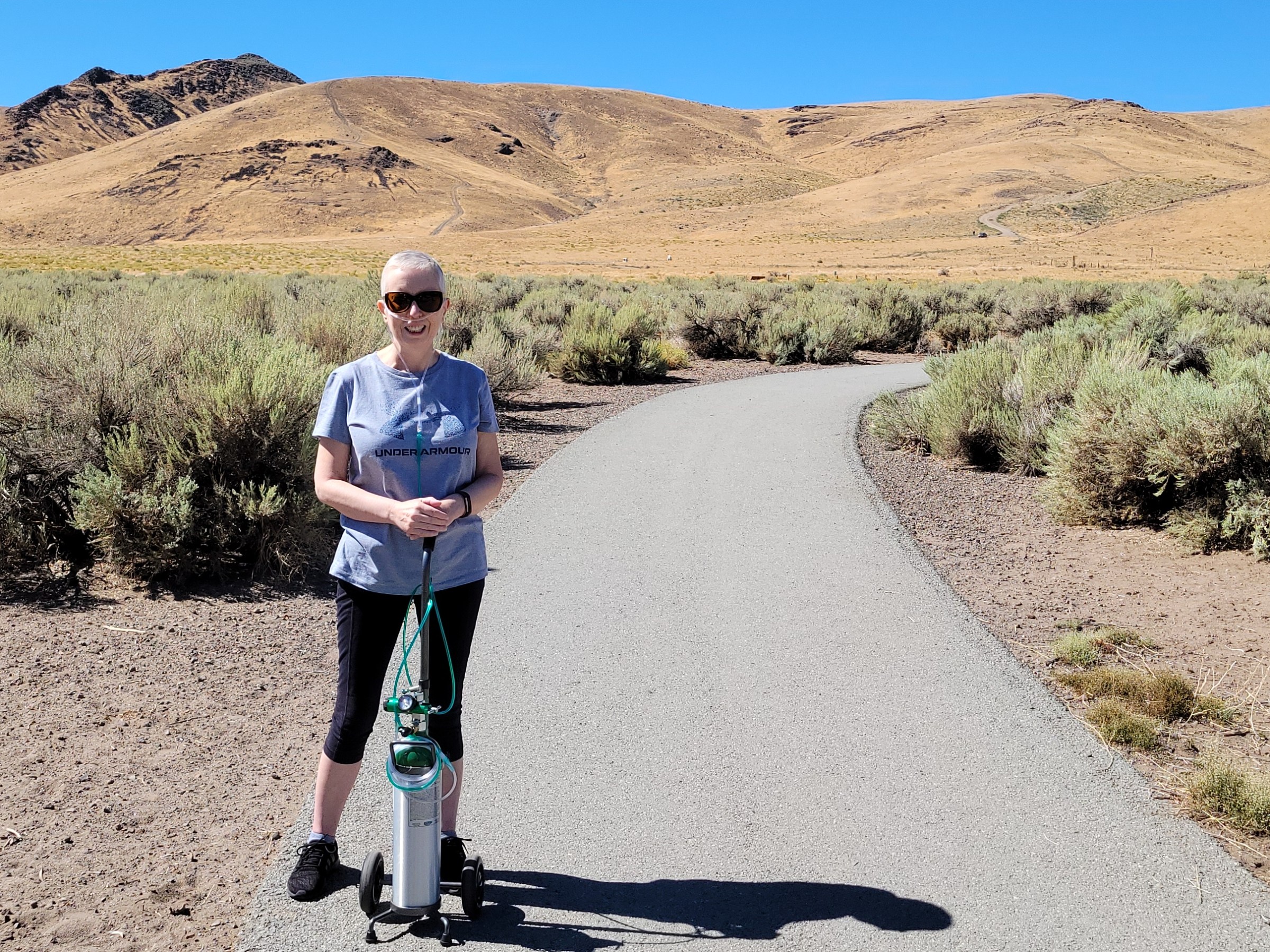
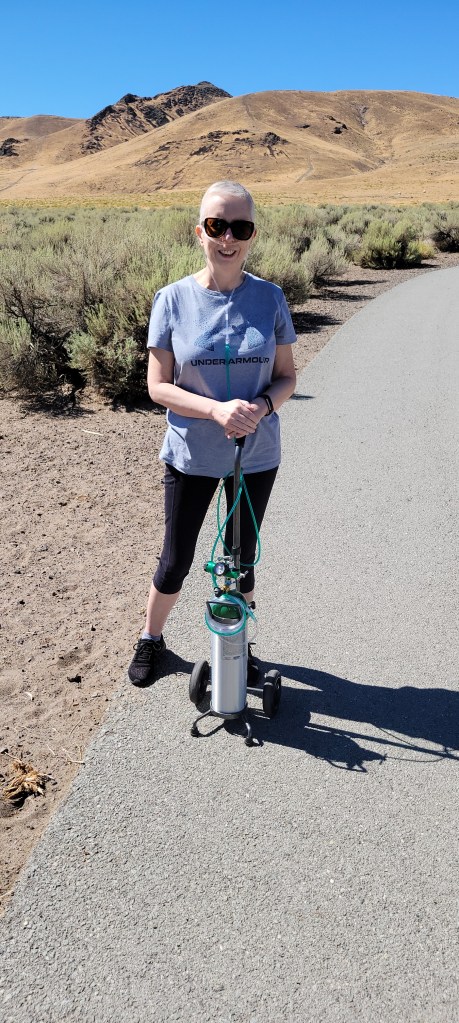
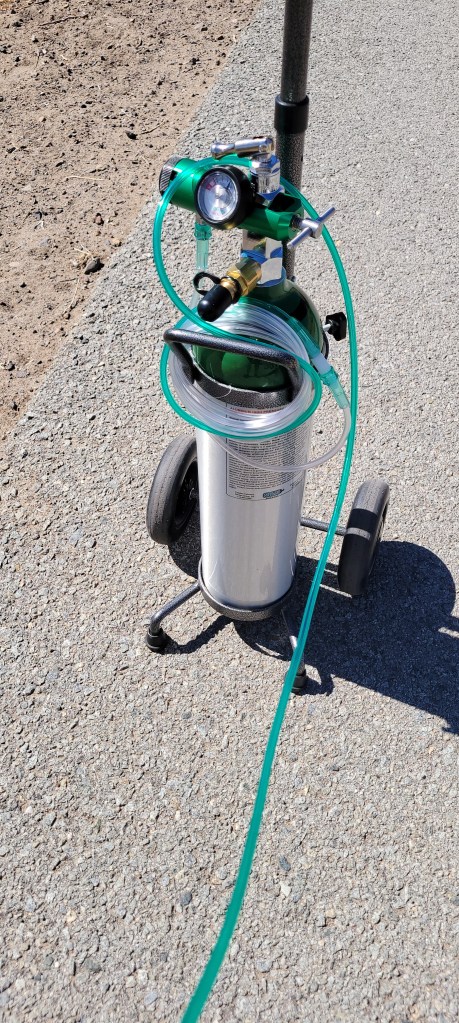
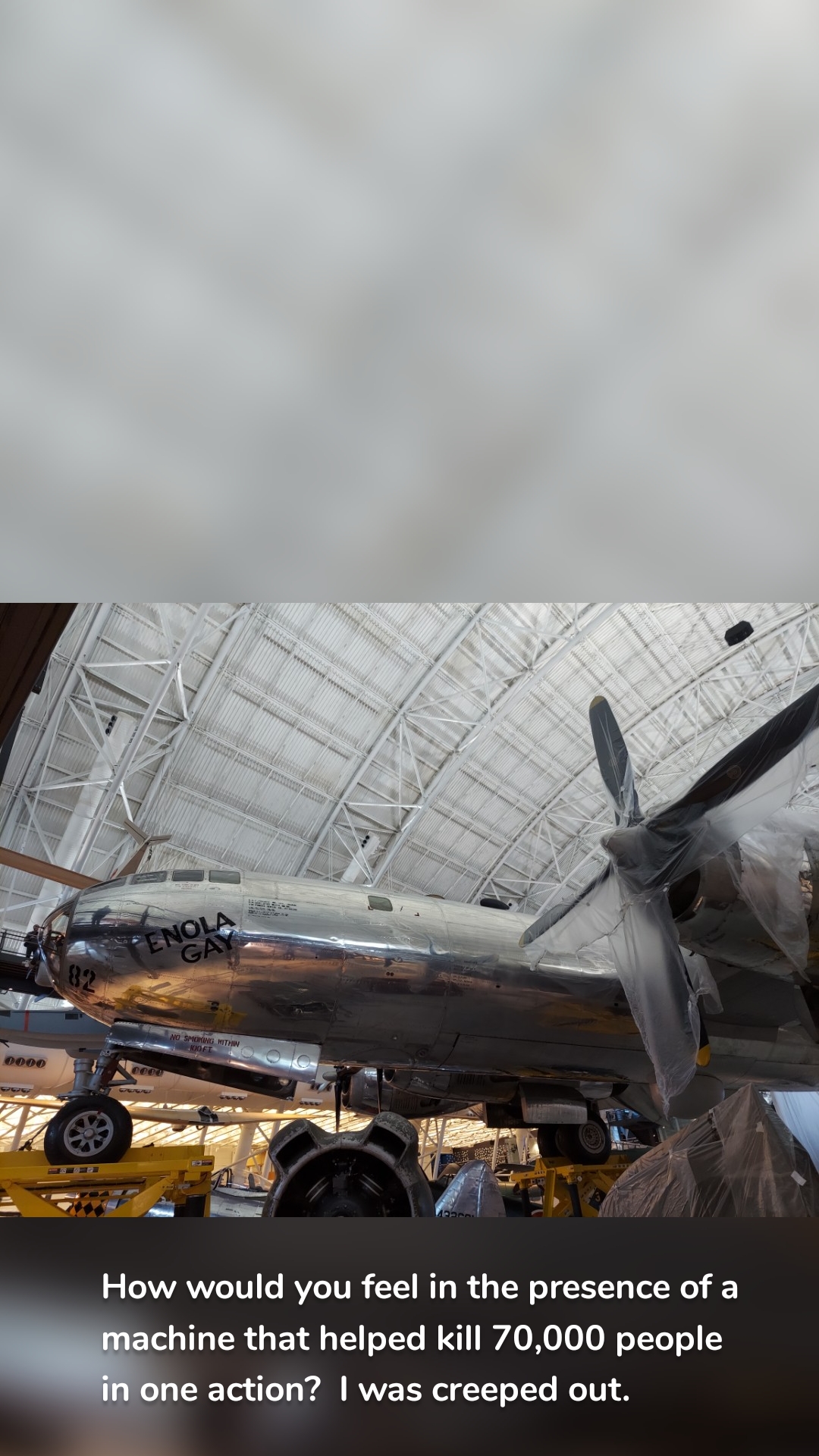
My little tank goes where I go, advertising my limitations to the world. However, it also presents an opportunity for people to prove themselves ‘nice’.
To allow me to pass, pregnant women, burdened with bags and babies, hold doors open for me. So that I can negotiate a corridor, sturdily-built individuals press themselves against walls. To allow me to walk freely in the parking lot, drivers brake hard, causing (horror of horrors) their children to look up from their smart phones!
I receive concessions from everyone and his granny, and I’m beginning to expect it.
But I am not merely someone who uses an oxygen tank; I am also undergoing cancer treatment. My time is spent in cancer treatment centers where every third person looks frail. Here, indeed, is a challenge to my newfound sense of entitlement! These patients expect the same advantages to which I have become accustomed. They and I are in competition for the world’s consideration. Now, it is necessary to weigh the privileges of a person leaning on a walker against those of someone using an oxygen cart.
The greatest challenger in the competitive world of disability is the wheelchair user. The overarching question is who should yield right of way. Imagine the scene: We encounter each other in the hallway, the mid-morning light throwing our hairless profiles into dramatic relief. In a silent contest, we size each other up with cold eyes, each measuring our challenger’s weaknesses: His big wheels pitted against my small ones. His thin arms pitted against my skinny legs. Almost audible in the ether, the evocative theme song from The Good, the Bad, and the Ugly, enhances the scene. Our eyes narrow further (or is it just the effect of the desert sunlight). Will either admit the other is more vulnerable?
Advantage me! He has an agile grandson pushing his chair. Oh, no! The youngster disappears and is replaced by a fragile, elderly spouse.
It’s a final shot to my pretensions. The wheelchair user wins the disability duel!
Vanquished, I shuffle to the side. Gracious in defeat, I smile as he passes, but he fails to gloat. He simply looks sad.
Who needs a dog? I have life-giving oxygen on the end of my leash.
If you’ve been around for a few decades (and have been exposed to changing language) your experience can be a liability.
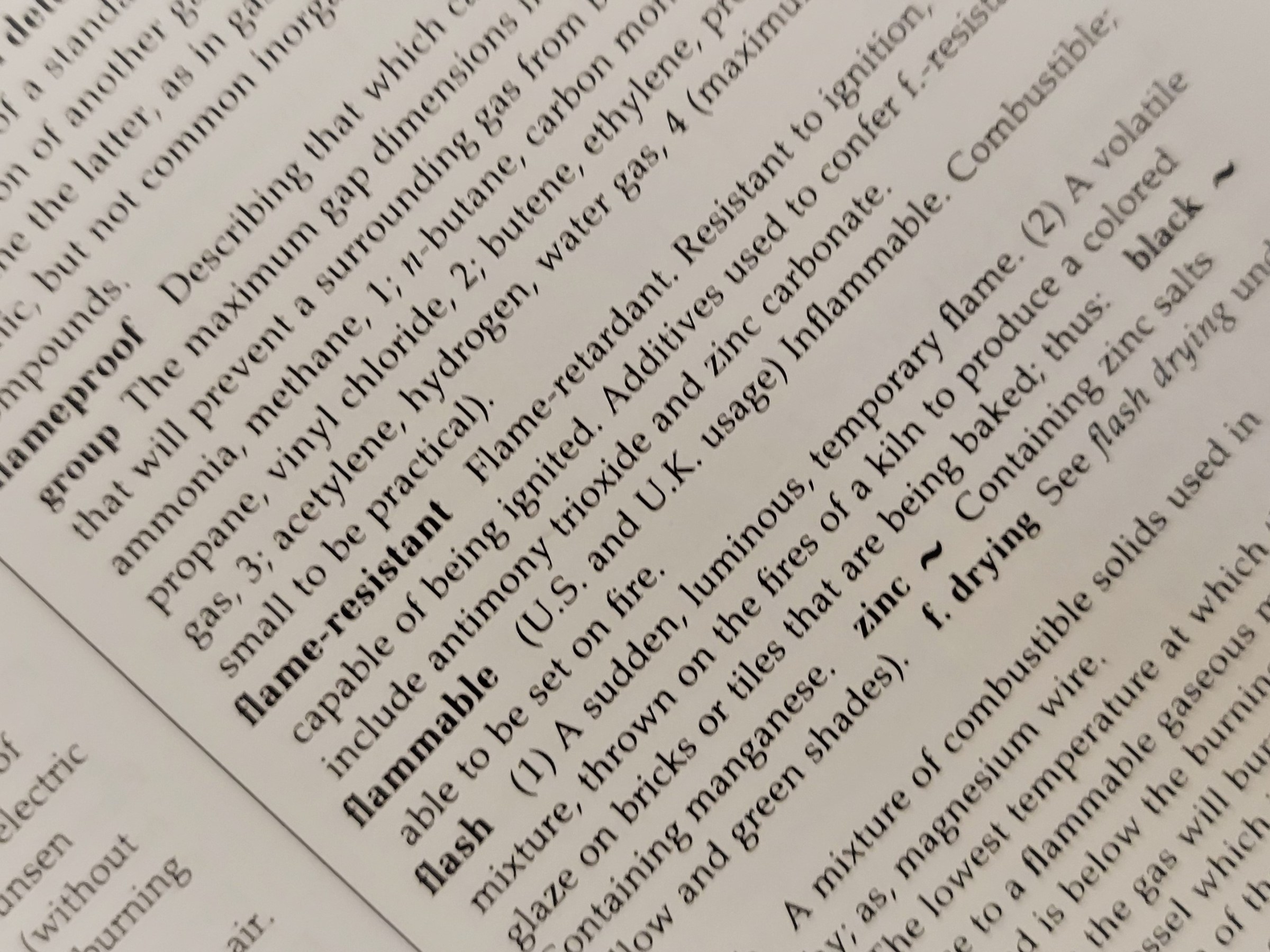
Take, for instance, the word flammable. It pretends to be an uncomplicated word. In fact, the OED simply defines it as:
“that which can burn easily”
And dictionary.com defines flammable as:
“Easily set on fire”
Although not technical definitions, both definitions are perfectly clear in their meaning and can be applied equally to solid, liquids, and gases.
However, in the engineering world, we confine the use of the word flammable to materials in their liquid or gaseous state. (Oh, dear! We are only beginning to explore the topic, and already the meaning of the word has shifted depending on the audience.)
I’ll take a trip down memory lane to further muddy the waters.
Inflammable: When I was a sprig in the 1980s and 1990s, this was the term for liquids and gases that burned. As far as I know, the word dates from time immemorial.
Flammable: This uncouth American term caused language purists around the world to cringe for decades. Despite this, the word has made inroads internationally. My first experience of flammable was in the 1990s, when this truncated word grated on my ear quite dreadfully.
Persons unfamiliar with the English language sometimes mistook the word inflammable for its opposite, non-flammable. An inflaming circumstance! Loath as I am to admit it, the use of the American word flammable prosaically resolved this issue.
Combustible: No thanks to the NFPA for muddying the meaning of this word. Per the NFPA, the word combustible distinguishes between liquids with flashpoints above 140⁰F (38⁰C) and more hazardous liquids with lower flashpoints (which are still considered to be flammable).
(Sadly, the internet was unhelpful in my search for the date when this differentiation first came into play. My faith in the internet as a source of quality information has been deeply shaken.)
Ignitable Liquids: Kudos to FM for this reminder that the distinction between flammable and combustible liquids is a little dubious. The term, ignitable liquid, came into use around 2014 and refers to any liquid with a flashpoint. In the 2021 Edition of NFPA 30, Flammable and Combustible Liquid Code, the NFPA deigned, in its munificence, to include this term.
But why invent a new term, my aging brain asks? Couldn’t we have simply used inflammable?
DOT Definitions: The US Department of Transportation regulates the labelling and transportation of liquids that burn. However, they only regulate ‘combustible liquids’ with flashpoints up to 200⁰F, totally ignoring the plethora of other liquids that burn.
In practical terms, does it matter what language we use to address the hazard of materials that burn? In my opinion, it does.
Here are some ways in which energy, time, and patience are wasted due to varying terms and language:
The discussion that prompted this blog post related to the use of the term ‘flammable liquid’ in a technical tome. We finally concluded the author was using the term in its truest sense—as it related to all liquids than can burn. It was improbable that, as a researcher, he was aware of the artificially limited meaning of the word used in US codes and standards. (There went fifteen minutes of my life I will never experience again.)
When dealing with US-based warehouse personnel (who are very conversant with US DOT regulations) it is nearly impossible to convince them that products with flashpoints above 200⁰F can burn at all. In the mind of everyone’s favorite logistics manager, the product is non-combustible, non-flammable, and will not contribute to a fire! Sigh! Not this conversation again…
The separation of flammable/combustible/ignitable liquids into various classifications can lead process designers to view the material hazards as increasing in a step-wise fashion. What a questionable perspective to have! The hazards increase incrementally. That’s just how nature works.
Classifying liquids as flammable or combustible based on flashpoints may be a valid measure of ignitability. However, flashpoint is a singular metric. It is easy to forget it is only a small part of the material’s hazardous profile. Focusing on one attribute can lead us to place less emphasis on other important characteristics. Heat release rate, viscosity, solubility, density, toxicity, etc. are just as fascinating as flashpoint, don’t you think?
Science is immutable—and may not be influenced by the language that describes it—but language definitely influences how we, frail humans that we are, apply science.
We hear so much today about toxic masculinity, I thought I would balance that trend with a tale of nurturing masculinity.
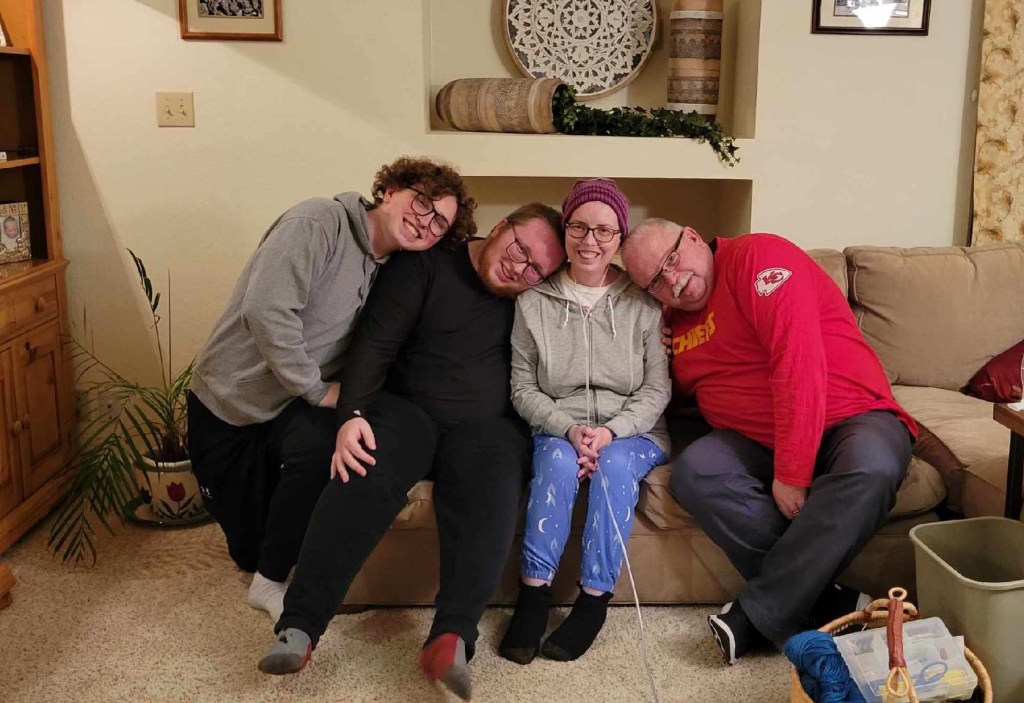
Last month, my eldest son spent his ASU spring break helping his father in providing cancer care to his mother. The following week, my youngest spent his WSU spring break doing the same. (Needless to say, this is not every young man’s idea of recreation.)
My husband needed help because in recent months, he has added a number of new roles to his usual portfolio, including:
Nurse
Case Manager
Medical transport
Medical billing specialist
Pharmacy technician
Oxygen concentrator technician (this is his favorite role)
Nutritionist (sort of)
Sole housekeeper (including dealing with the peculiar needs of someone with respiratory troubles).
Purchasing agent (shopping for women’s clothing blew his mind)
Through all of this, he maintained his usual roles of husband, father, son, in-law, employee, financial manager, gardener, etc. In addition, for the better part of a month, for him, WFH meant Work From Hospital.
As for myself, I don’t normally use The Numerate Ninny blog as a means to update people on my personal status. However, I know that we have not reached everyone we care about through slower, conventional means of communication. We have had little energy and time for correspondence. So, I am using this blog for simple convenience.
In February, I received a diagnosis of lung cancer. And the first question that pops into everyone’s mind is: “Are you a smoker?” I have never smoked. The next question is about my work history. Although I have been exposed to various suspect chemicals over the years, the nature of my job as a consultant means I spent only a few days in each environment. Yes, one week, I would be in a woodworking environment. The next week, I would be in a yard with diesel engines. The following week, I would be in an environment with vapors or fine dusts. However, I always adhered to the PPE requirements of the facility I was visiting. And although respiratory protection is almost always the first PPE rule to be ignored by employees, as a visitor, I adopted it religiously. In conclusion, it seems my cancer is random. Treatment is ongoing.
And that brings me back to my husband, Timothy Burchett, who had to take responsibility for a human being who quickly went from having the capabilities of an adult to having the capabilities of a small child. He rose to the challenge and reminded us that most men are not toxic but caring. I simply do not know what I would have done without him.
In a similar vein, my sons also stepped up to take care of mother. It must have seemed backwards to them, I am sure. Mothers are supposed to take care of their sons. Aren’t they?
I would also like to thank my husband’s colleagues at Starr Companies, who tolerated frequent changes to their scheduled meetings to accommodate my medical needs. They also assumed additional duties to help Tim out.
Needless to say, my own fledgling company’s activities are in abeyance and likely to stay that way.
Cocooned (and squished) by the nurturing males in my life.
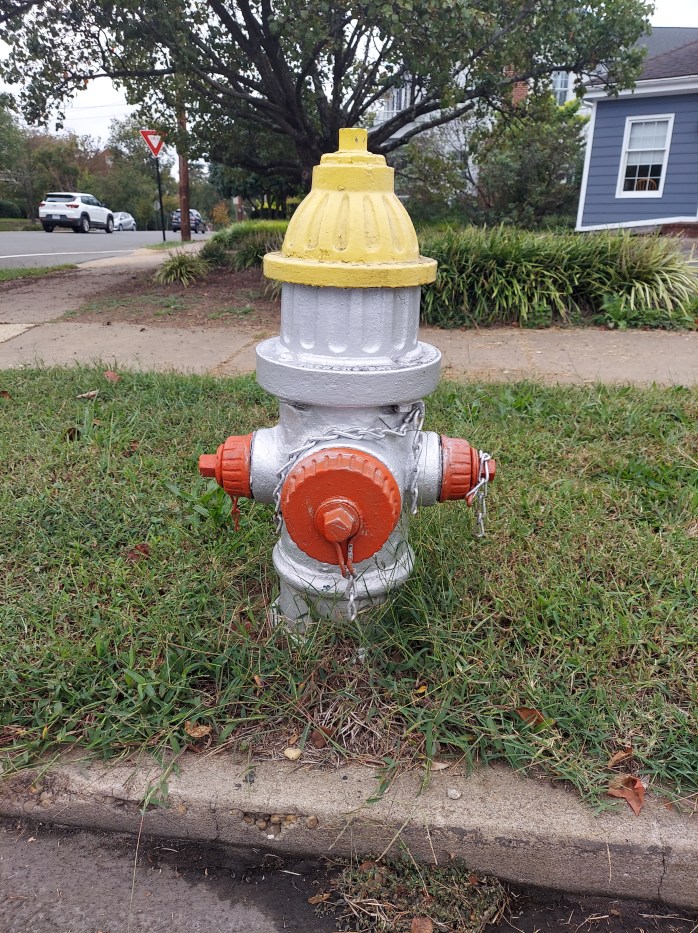
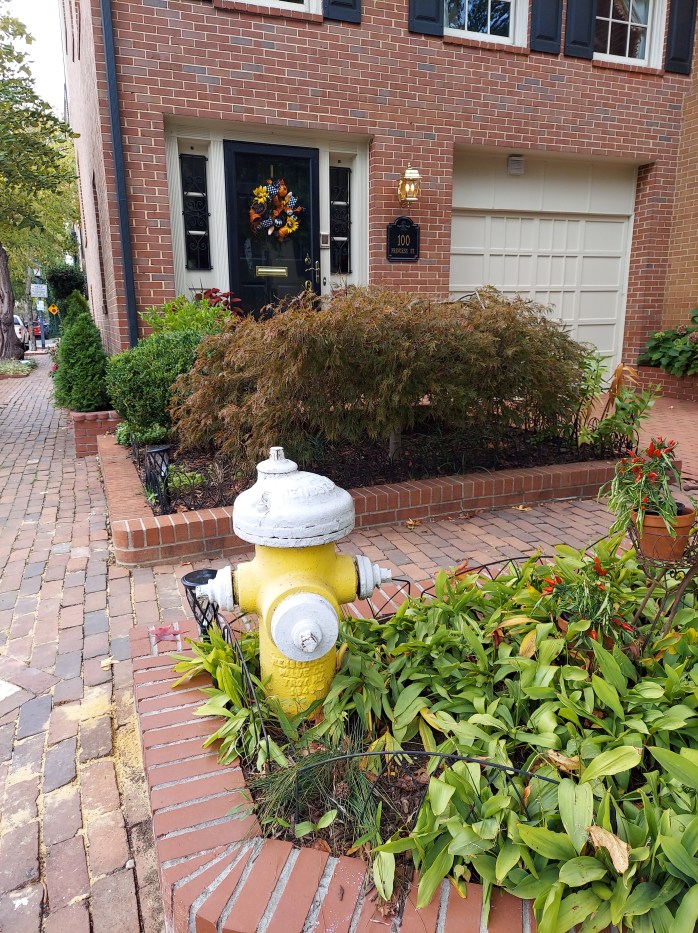
Here is another episode in my occasional series about pretty fire hydrants (or prettily situated fire hydrants). This time, we will admire fire hydrants in the State of Virginia.
First, we visit the City of Alexandria on the banks of the ridiculously wide Potomac river. The residents of the city show their civic pride through gardening, providing a pretty backdrop for their bi- and tricolor hydrants.
However, for reasons unknown to me, the hydrants in Old Town Alexandria sport a very dapper tuxedo palette of black and white, providing something for Fred Astaire to dance around if he ever visits.
This particular device was within spitting distance of a building once owned by John Fitzgerald, an Irishman who was a trusted aide-de-camp to George Washington. (I just had to get an Irish connection in there somehow.)
Early in its history, Alexandria had the privilege of being surveyed by a teenage George Washington. Apparently, surveying was a profession that required no formal training. If he had to meet the requirements of the profession today, the poor orphaned boy would have starved. Despite his stunted education, the man did find a more suitable career later in life. Makes me wonder why I pursued my professional qualifications…
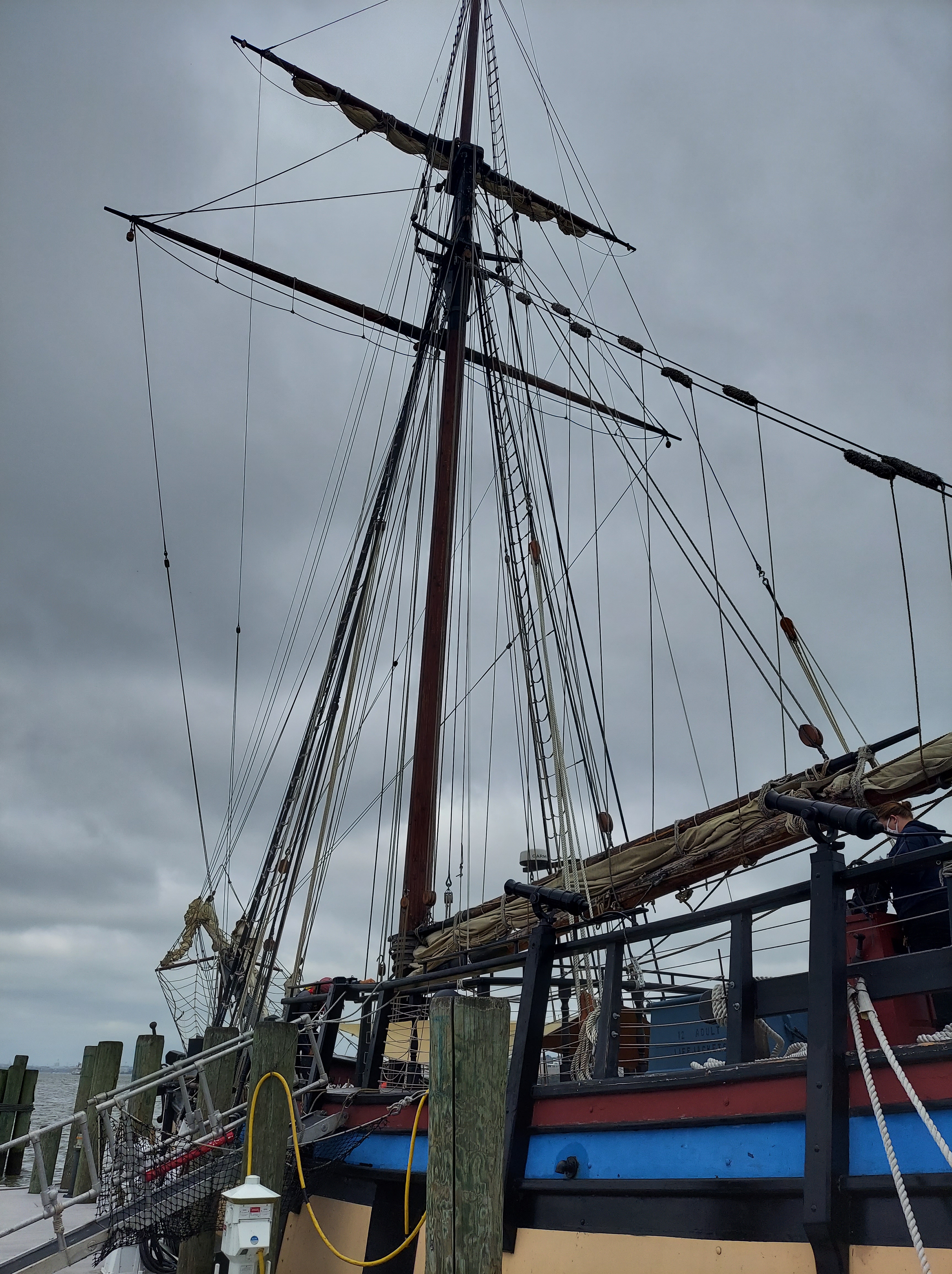
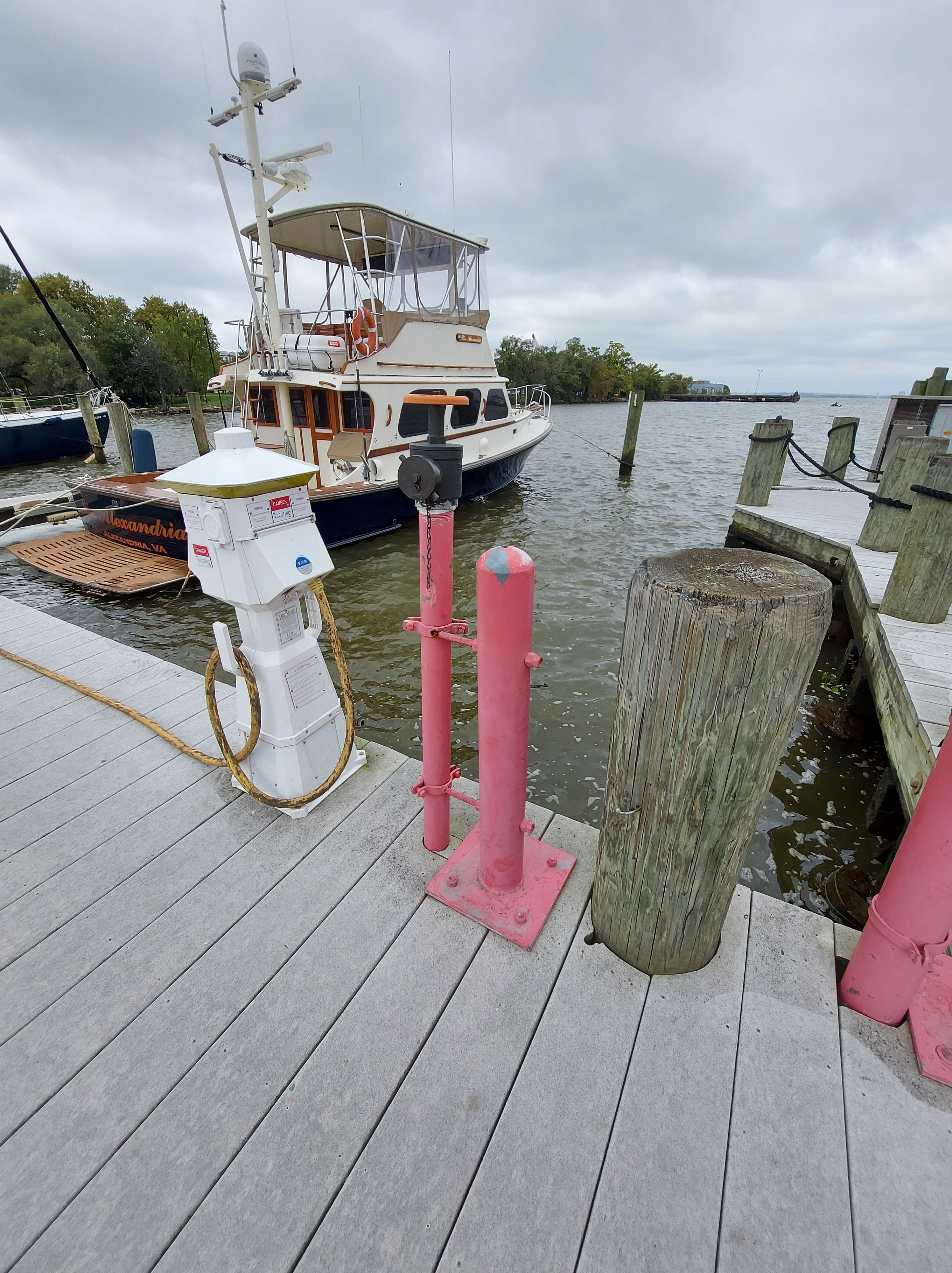
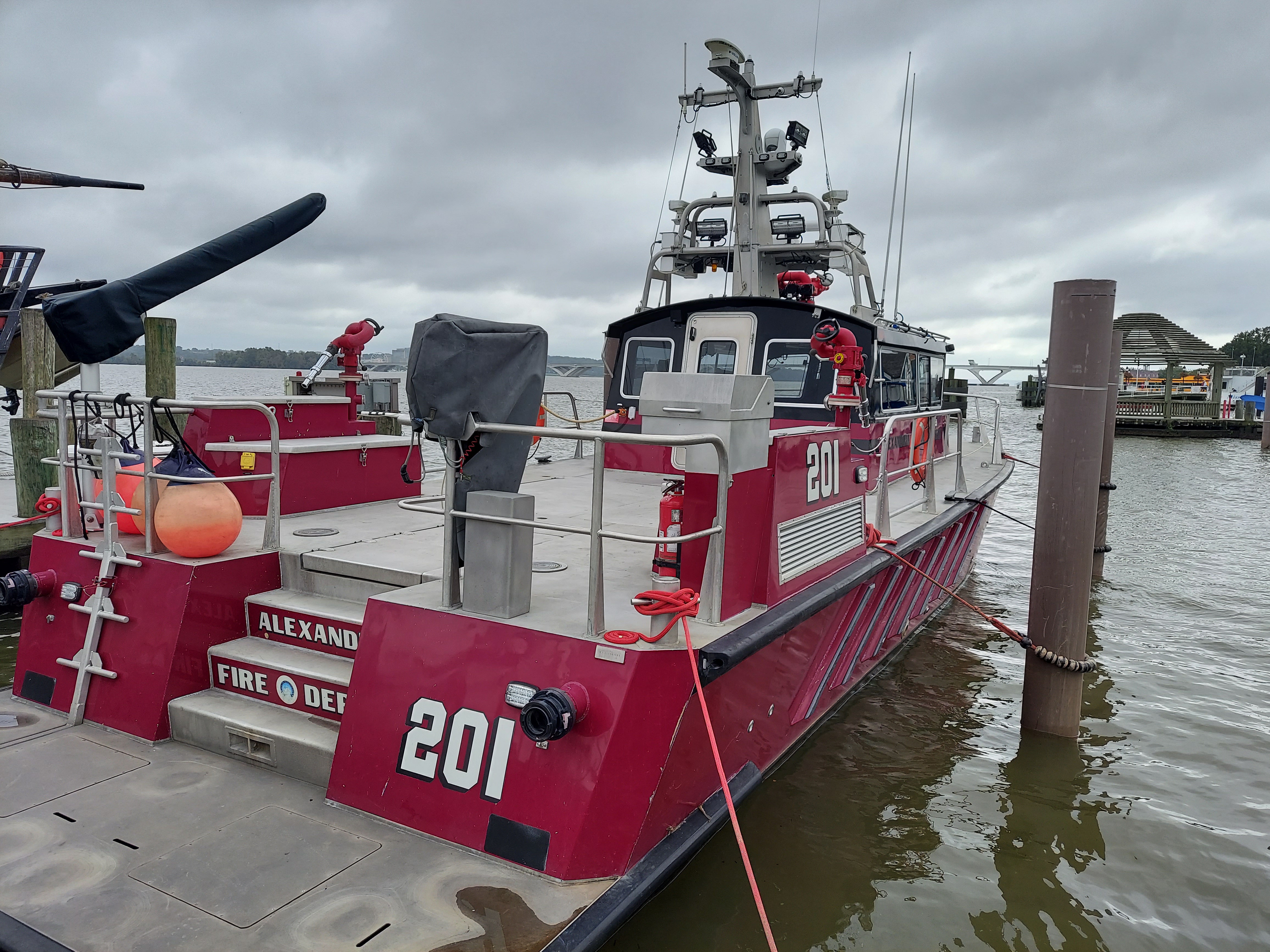
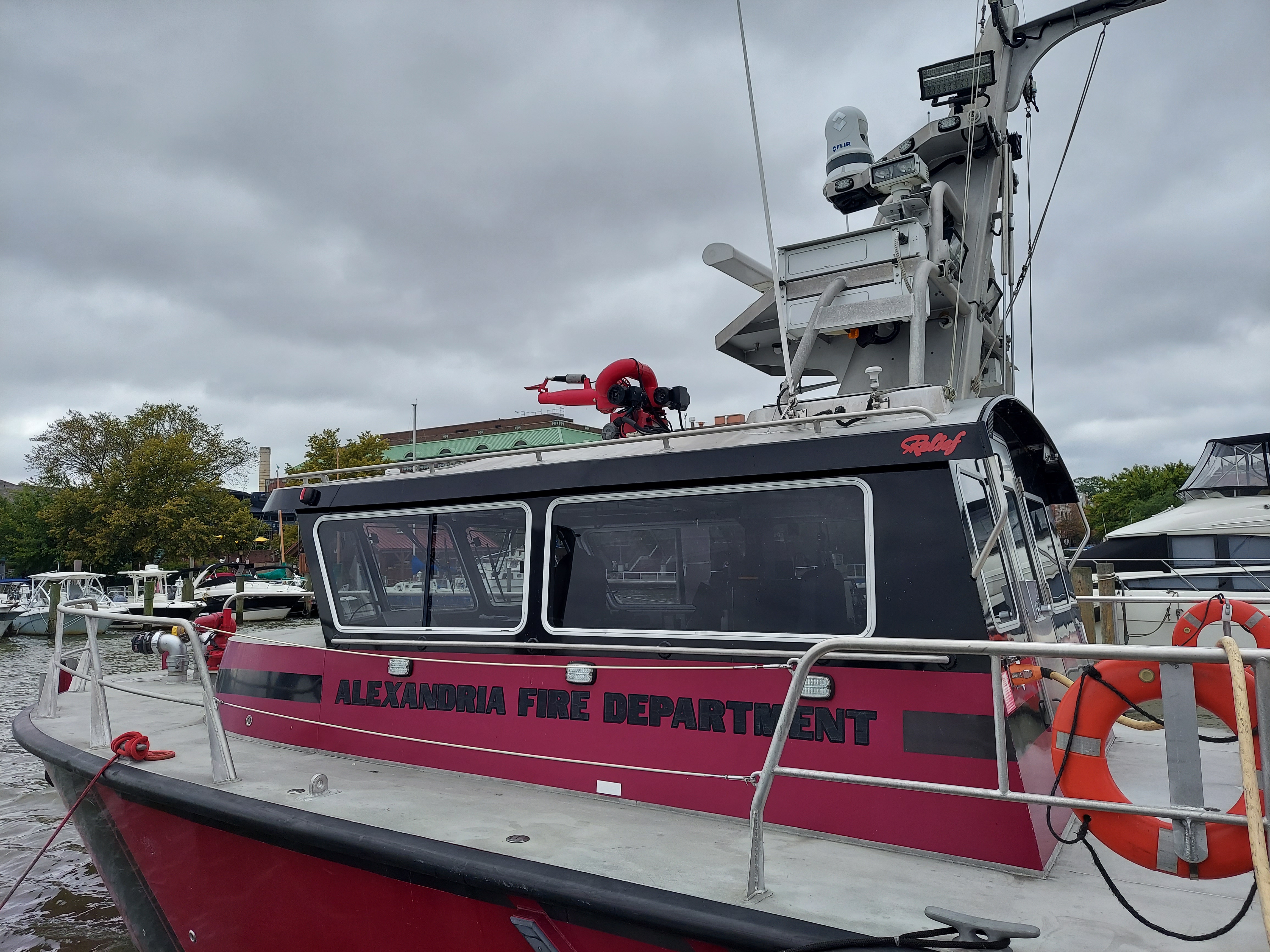
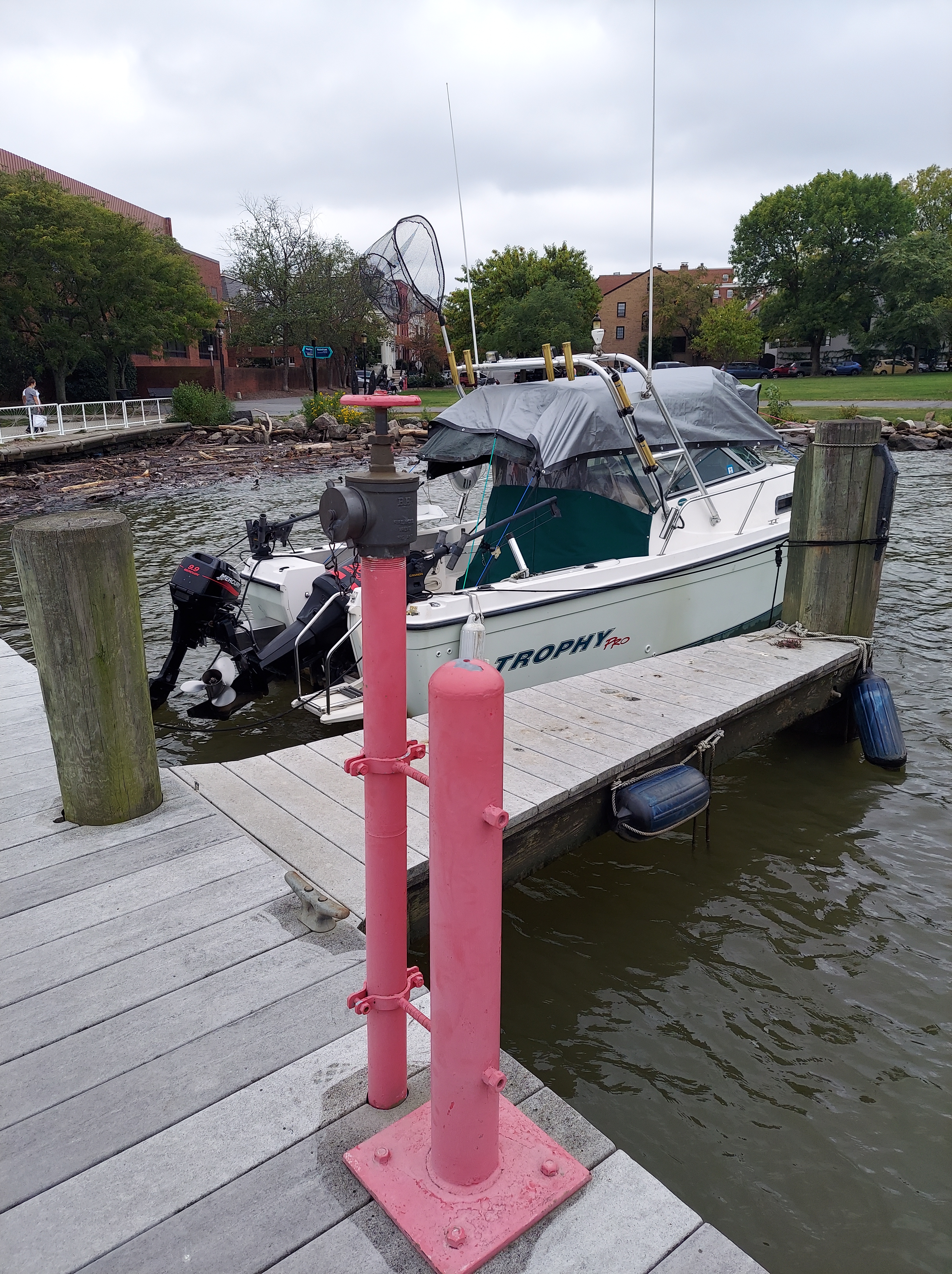
Staying in Alexandria: How do you protect a wooden vessel? With dock hydrants and a fireboat, of course!
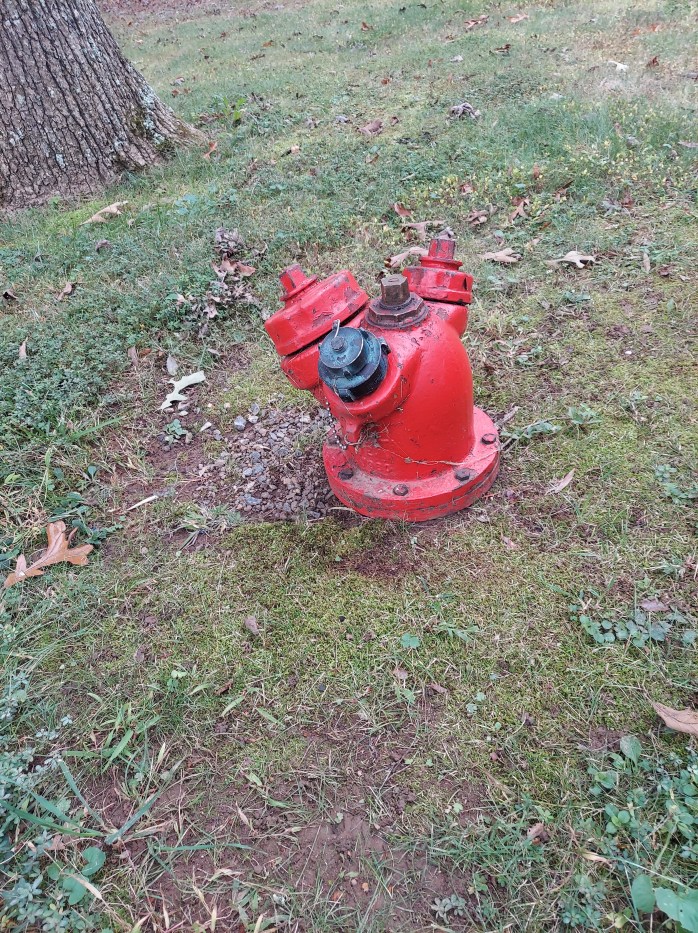
And here is the most bizarre hydrant I have ever seen. This stunted specimen was found at the civil war battle site near Chancellorsville, VA. It was just a hop and a jump away from where the famous Stonewall Jackson was fatally wounded, and it was also near a monument that commemorates the event.
As a non-American, I find the monuments to confederate ‘heros’ utterly bizarre. How secure (or insecure) does a country have to be to erect monuments to people who tried to destroy it? And how chilling to encounter monuments to people who fought to preserve slavery! Does the fact that they were capable militarists, fond fathers, or that they made the ultimate sacrifice for their cause make that cause any less sickening?
Whatever the circumstances, the visitor center (which presents a quirkily positive history of General Jackson) has interesting fire protection.
A famous destination in Virginia is Colonial Williamsburg. It’s an amusing place to visit. People wander around in eighteenth century garb, occupy eighteenth-century buildings, and speak with modern accents. Normal tourists direct their cameras to these anachronistic sights, but why be normal? It’s more interesting to capture the real highlight of the town – the means of fire protection!
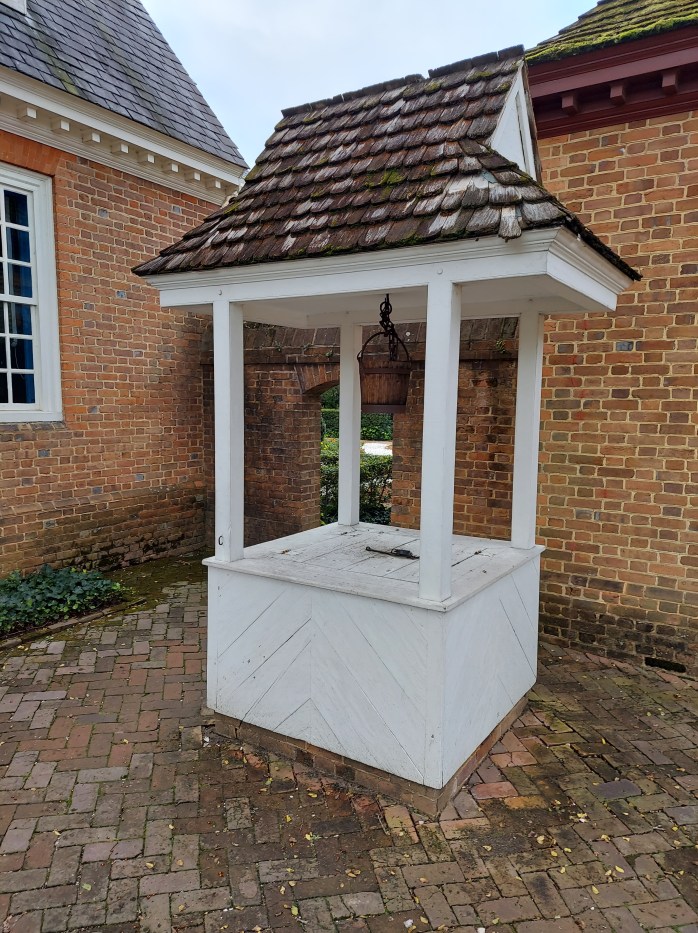
There was a time when the only fire fighting medium came from a well, but it was not an effective form of protection. Many hands may make light work, but wood-roofed buildings burn faster than a bucket chain can operate. Now Colonial Williamsburg, in all its restored glory, sports some very non-period fire hydrants.
To serve as a reminder of how uncontrolled fire has skewed human history, consider Williamsburg’s past. After the town of Jamestown was destroyed by fire in 1676, Williamsburg became the capital of the colony of Virginia. In turn, the Williamsburg capitol burned down in 1747. (They really shouldn’t have installed fireplaces in 1723.) The capitol’s replacement burnt to its foundations in 1832. The building seen today is a reconstruction of the 1705 building in all its wood frame glory! Another fire, people?
Why do I record fire hydrants and their placement while on vacation? Because there is beauty in the everyday, and sometimes we miss the simple things when we focus on the more exalted.
Have a look at the other posts about fire hydrants:
I’ve been absent from The Numerate Ninny for a while. But there was a reason.
After nineteen years with my former employer, I decided to ‘go it alone’ and form my own consultancy. Fussy bureaucracy is expected when establishing a new organization, and my expectations were not disappointed in that regard. But, surprisingly, what should have been the easiest task proved to be one of the most challenging – choosing a name for the business.
My first idea was to exploit the name of my personal blog as a business name. However, a quick search proved that the initials TNN were already in well known in the business world.
(The expanded name The Numerate Ninny was not an option. Since my company sells knowledge and expertise, it would have given the wrong impression. )
The next option was to use my own initials, ARN. Apparently, the business world snagged those letters long ago too.
As an alternative, my youngest offspring suggested using my initials in reverse (NRA), pointing out that ‘they’ were in bankruptcy and that the domain name would be cheap.
Not cheap enough for me, kiddo!
After that, I had to consider using my first name and last name, anchored with ‘LLC’. But I checked out the internet. There is a sea of people called Amanda, each with a consultancy of her own. No search engine would ever find my little business.
So, with few choices, I had to retreat further into my identity to choose a name for my business. In the end, I called my new company D5G, because I grew up in Coolock, Dublin 5. The last element, G, stands for girl or gal—or even gudgeon if you are in that frame of mind.
{If I had stuck to the Dublin theme, I might have used OO (Oul’ One) in the company name, but D5OO is rather inelegant and likely to prompt confusion between the ohs and zeros.}
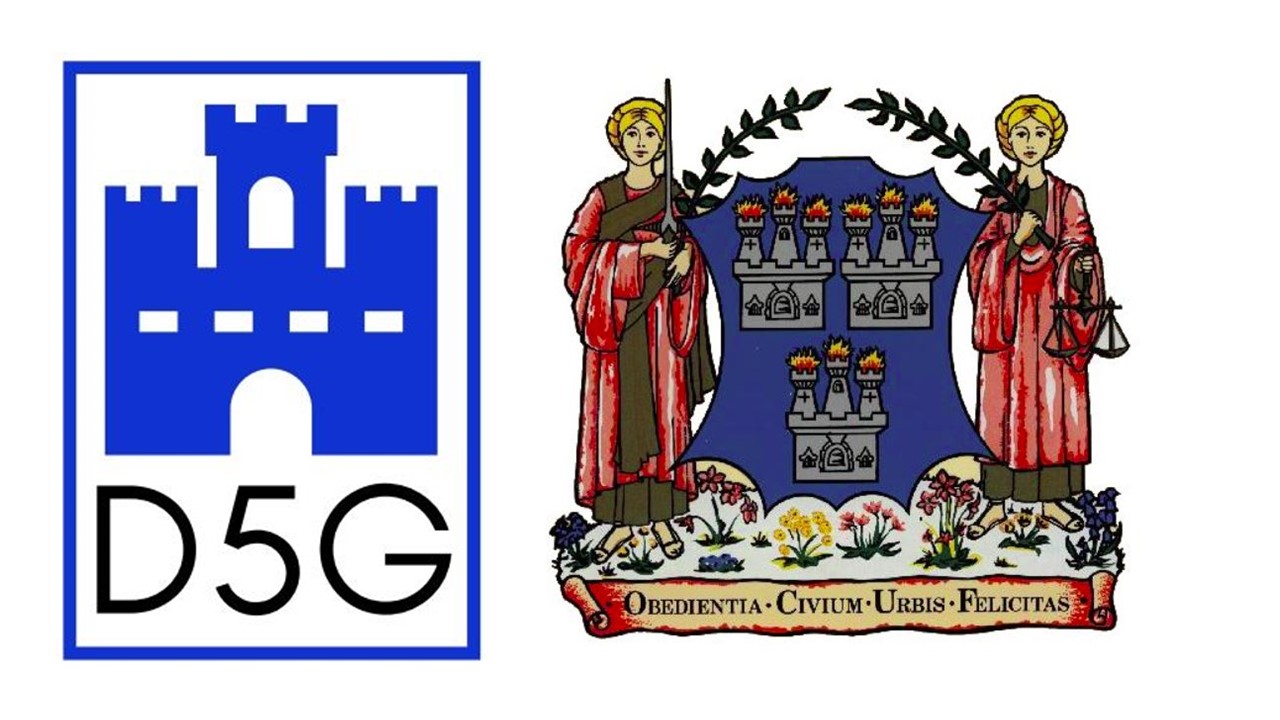
Keeping with the home town theme, the company logo is a play on the Dublin City Coat of Arms.
The city’s coat of arms has three castles with a flame atop. As appropriate for someone with a fire engineering background, I eliminated the flame when developing the logo. Initially, I kept the three castles in the design. My focus group (yes, the offspring) thought that three objects in a small logo looked fussy, so we opted for a design with only one castle. Blue might be a Dublin color, but the D5G logo uses a shade of blue that no Dublin sports’ team has ever donned.
By the way, Dublin city’s coat of arms was formalized in 1607, but has origins dating from the 13th century. The flames represent the citizens’ zeal in defending the city. By eliminating the flames, I hope I have not inadvertently turned that zeal against myself.
The city’s Latin motto translates as ‘Happy the city where the citizens obey’. I suspect this motto was written by someone who never met a Dubliner.
The Dublin City Coat of Arms can be found everywhere, including Phoenix, Arizona
Back in the 1970s, our feminist aunties promised sexism would be eradicated from the business world once a certain generation of men retired.
Well, maybe they didn’t explicitly promise that piece of perfection, but the notion was implicit in their vocal crusades for equal employment rights and overall basic decency.
I sincerely hope our elderly feminist aunties are now too deaf and blind to notice their efforts have failed miserably.
Case in point: Our roof being brand spanking new, now is a perfect time to install solar panels on our house. Consequently, when a representative of a solar company turned up on our doorstep last week, I made him uncommonly welcome.
He and I engaged in a reasonably detailed discussion about the potential for PV panels on our roof. I asked lots of technical questions—well beyond what a typical salesperson could answer. (I was certainly not a passive prospect.) He took my contact information, and he promised to work up preliminary details and to get back to me.
A day or two later, he returned. I invited him into my home, summoned the hubby, and all three of us sat down and discussed a contract in detail. Of the two homeowners, I was the one taking notes, doing back-of-the-envelope calculations (okay, back of a notepad calculations), and asking the most questions.
The sales rep requested the hubby’s contact details—presumably to include him in any communications. He seemed perturbed to hear the hubby was going on a business trip. However, he was clearly told I was available to sign the contract when it arrived the following day. (I bet you can see where this is leading.)
Yup. When the contract landed in my inbox, only the hubby’s name was on it!
Being soft-hearted (or soft in the head), I let the vendor know I couldn’t sign the contract because it didn’t include my name. In other words, I gifted him an opportunity to redeem himself. Here is the response I got:
“I put (the contract) in (hubby’s) name and thought you could forward the email to him to sign.”
So much for giving people a second chance.
By the way, I shared this story (no editorializing) with my two adult sons. I am delighted to report they were both incensed. See how well they were raised, my darling male feminists.
The most shocking aspect of this story is that the sales rep is not thirty years older than me, but thirty years younger! Not only that, he is a university-educated business major. Apparently, limiting yourself to male customers is now part of the curriculum.
My eldest son—Mr. Often Decisive—recommended two ways to address the situation: refuse the contract or request a different sales rep. However, he ultimately agreed my idea was the harshest form of retribution: lecture the young man as if he were my own child. (It should only take an hour or two.)
I’m off now to sing R-E-S-P-E-C-T in an off-key imitation of Aretha Franklin. Feel free to join in.
An engineer needs a hobby – preferably one that is totally unrelated to work. And if it can be pursued at home, it’s ideal for pandemic times.
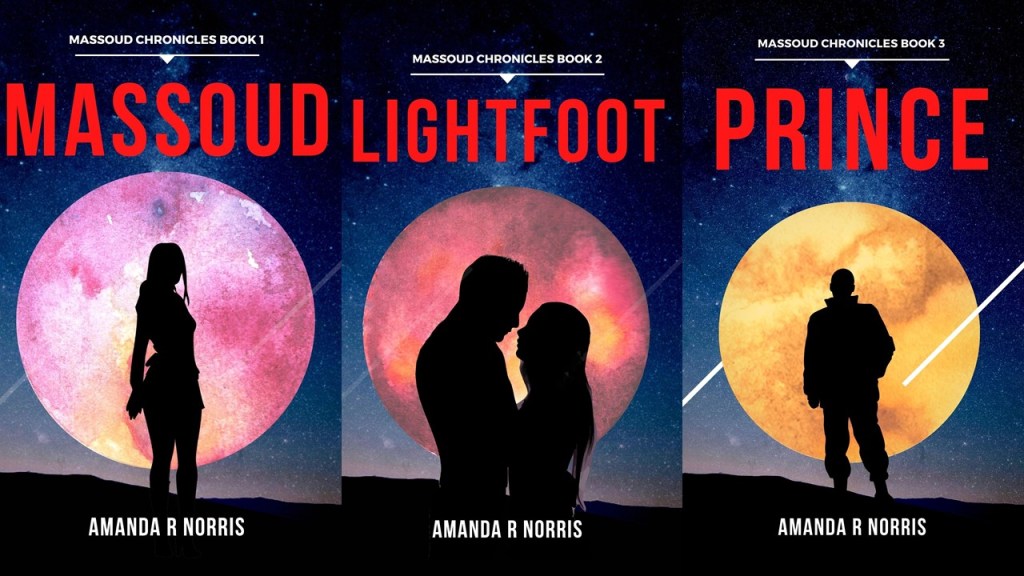
My big ‘reveal’ is not a reveal at all to those who know me: I write space operas for fun. (Doesn’t everyone?) And my third novel is complete and published on Amazon. So, now it’s time for me to go and have a nap.
What is this latest book about?
The alien invasion has been rebuffed but not everyone is adjusting to the quiet of peacetime, including our protagonist…
Jason Prince is rough around the edges. He’s somewhat aggressive, somewhat prejudiced, and very ill-at-ease. That’s the starting point for his character. Where it ends up is, and how it gets there, is the basis for the narrative. And yes, he has a few adventures on alien planets along the way. (You may remember Mr. Prince as a minor character in the first two books.)
The new book provides an opportunity to catch up with key characters in the series – including Massoud, Lightfoot, and the broader Massoud Family. I also give room to several new characters because, at this moment in history, fiction is one of the few ways to meet new people.
Prince is now available on all Amazon platforms. I enrolled it in Kindle Unlimited for the benefit of those who participate in the program (i.e. the hubby). I have also formatted the text for a paperback edition, but I usually don’t maintain the paperback version, so this may be the only chance to purchase it. The amazon.com link follows:










 thenumerateninny.com